
Say That Again
Scenario 1: Growing up, my mama would tell me over and over, “If you can’t say anything nice, don’t say anything at all.” I haven’t always complied with her advice, but her words still echo in my head.
Scenario 2: When I took piano lessons in my younger days and later viola, I was encouraged to practice every day. Practice makes perfect, right? Again, I didn’t always comply. In fact, I didn’t more than I did!
Scenario 3: Although it may not be a thing nowadays, one of the ways teachers in the past punished students was to have them write a sentence 100 times. “I will not speak without raising my hand.” Or something like that.
Scenario 4: In my former church, I served as an actor in a significant role in our choir’s Victorian Christmas program. I read my script hundreds of times. Our cast met to rehearse once a week for months. Those were tough days, but our practice paid off.
All of the above scenarios point towards a common thread of repetition. There is value in repetition. It enforces learning, enhances memory, fosters mastery of skill, and endorses the formation of a particular habit. Parents use it all the time on toddlers; teachers send home assignments from the day’s instructions to reinforce lessons taught; I spend time on the organ several times each week practicing the music for the upcoming Sunday service. Without repetition, a favorable outcome is less likely to be achieved.
The Importance of Repeating
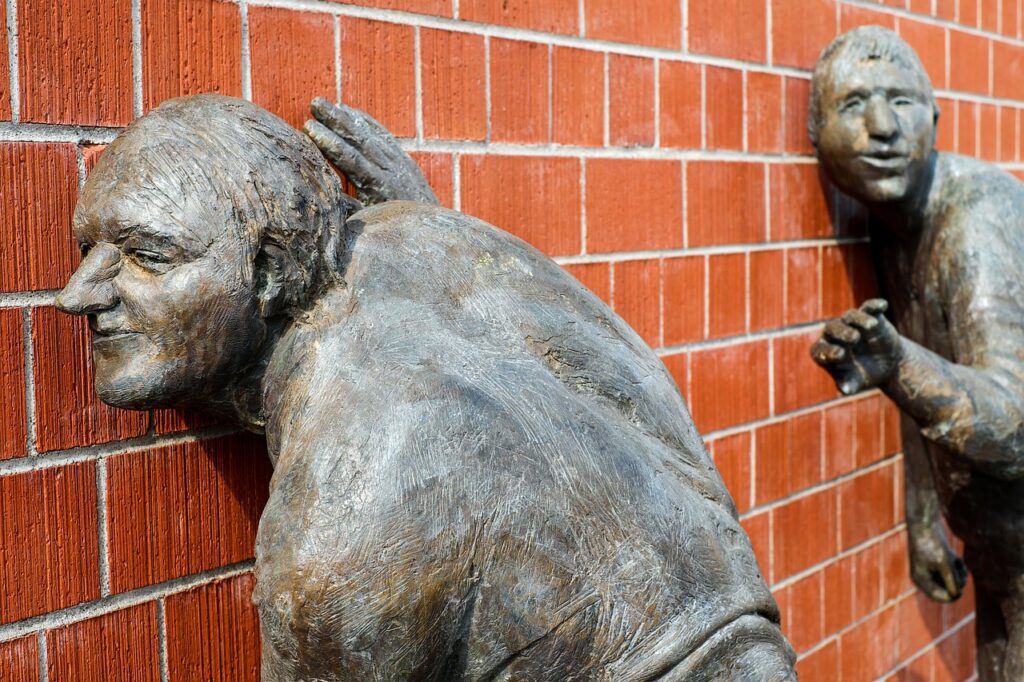
Repetition strengthens the brain’s neural pathways, making knowledge and skills automatic, more durable, and accessible. Think about how it is used in military training — how drills become lifesaving measures because they are indoctrinated into everyday thinking and activities.
Neural pathways strengthen synaptic connections with repeated activation, making information retrieval or skill execution faster and more automatic. New knowledge is linked to existing knowledge, enhancing retention and understanding. Over time, the repeated practice becomes second nature, essentially opening the door for higher-order thinking, creativity, and problem-solving.
The Bible is chock full of repetition. God Himself frequently used it. In the early books of the Old Testament, God reminded the Israelites on a regular basis what to do, how to respond, what to say, and how to say it. Surely Moses wearied of telling the people not to sin over and over and over.
In Deuteronomy 6, God instructs Moses to tell the Israelites to “commit yourselves wholeheartedly to these commands [the Ten Commandments, decrees, and regulations] that I am giving you today.” He went on to say, “Repeat them again and again to your children. Talk about them when you are at home and when you are on the road, when you are going to bed and when you are getting up. Tie them to your hands and wear them on your forehead as reminders. Write them on the doorposts of your house and on your gates.” God was not kidding around about repeating His commands! He wanted them to become second nature, never to be forgotten, always to be followed.
Putting it into Today’s Practices
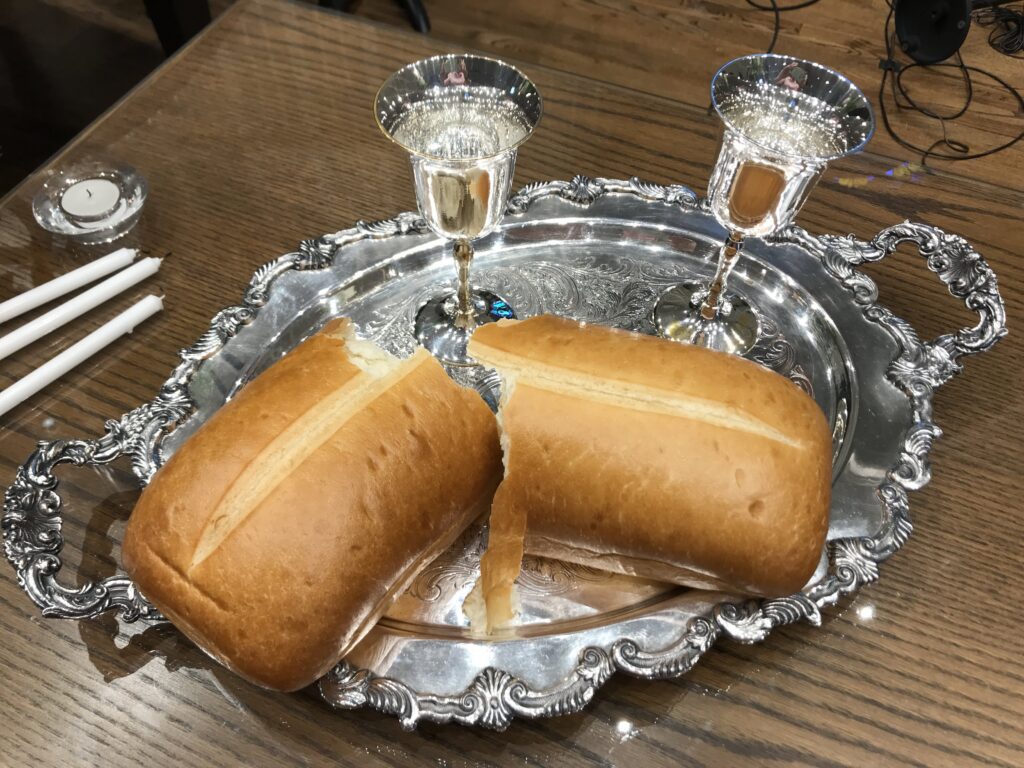
Every month our congregation partakes in Communion. Some denominations do it every week. It reminds us of the sacrifice Jesus made and sets our hearts and minds on Him. By eating of the bread representing His body and drinking of the wine representing His blood, we remember His death and resurrection on the cross and proclaim His redemptive power. This repetitive practice is not just a physical act; it is a spiritual feeding.
The Jews observe a beautiful tradition at Passover every year called the Seder. It is most often conducted in the home and is steeped in ceremony. Specific foods prepared in specific ways are shared among participants. The dinner focuses on praise and thanksgiving and fulfillment of the charge given in Exodus 13:8. “You shall tell your child on that day, saying, ‘It is because of what the Lord did for me when I came out of Egypt.’” The retelling of the story of the Israelites being liberated from slavery in Egypt is given. Bitter herbs, salt water, and all the other required food items are served every single year it is celebrated. Questions are posed by the children to keep their interest and curiosity (and to keep them awake). Regardless, the repetition is for the generations to come.
I am sure you can think of more examples of how repetition is used and how it serves as a blessing. Let’s not be quick to disregard the value of doing something over and over and over even though it may be boring and mundane. Let those synapses take aim and fire!

Follow This Blog
Ewe R Blessed Ministries / Karen O. Allen